
 By Matthew Sullivan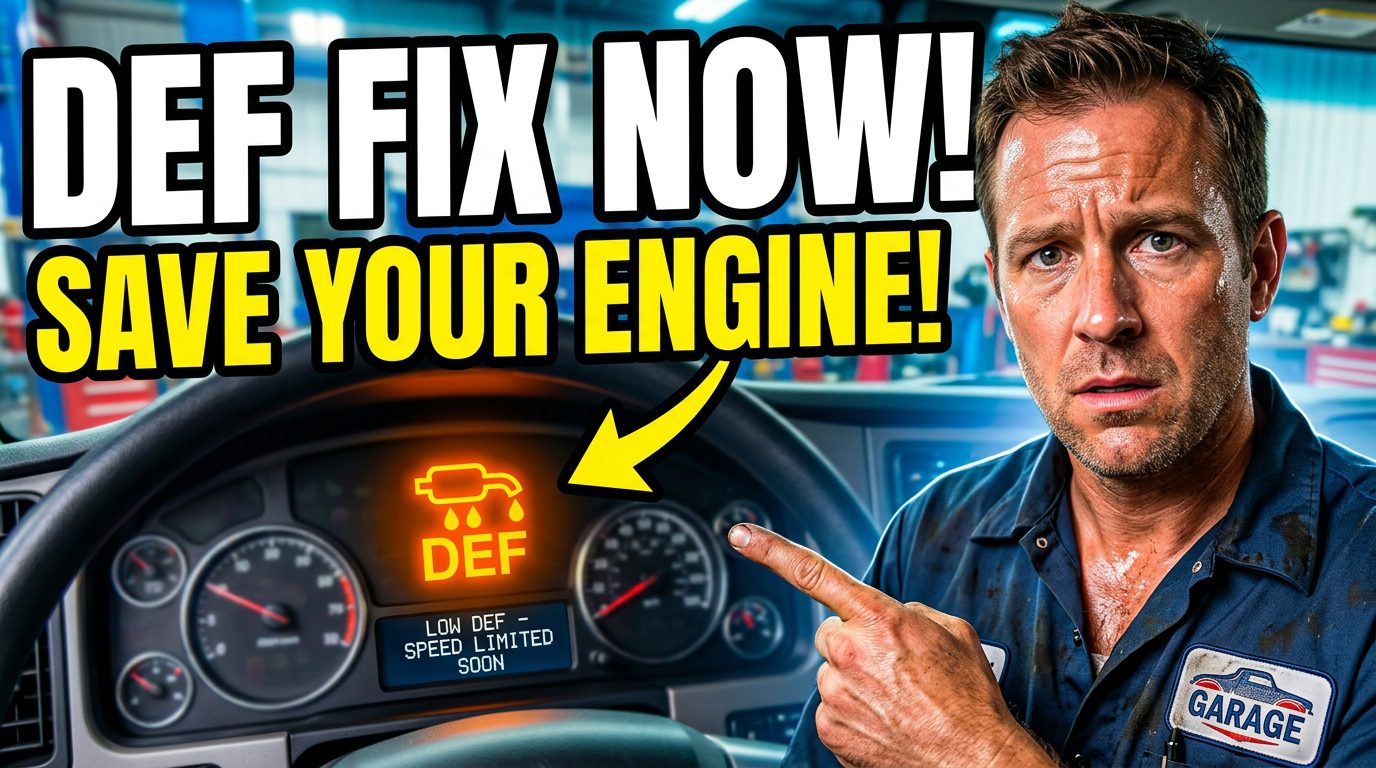
Diesel engines have long been valued for their power, durability and efficiency, but modern emissions regulations have added layers of complexity that many drivers did not anticipate. One of the most talked-about components today is the Diesel Exhaust Fluid system, commonly known as the DEF system. While it plays a crucial role in reducing harmful emissions, it has also become a major source of frustration for drivers due to unexpected failures, warning lights, and even forced engine slowdowns.
In recent years, complaints from truck owners, fleet operators, and everyday diesel drivers have increased significantly. Many have experienced sudden derates, costly repairs, and downtime that directly impact productivity and income. Recognizing these issues, the Environmental Protection Agency has introduced updates and fixes aimed at improving DEF system reliability and reducing unnecessary failures. Understanding these changes is essential for anyone who owns or operates a diesel vehicle.
This article breaks down how DEF systems work, why they fail, what the latest EPA fixes mean, and how drivers can protect themselves from common problems.
What Is a Diesel Exhaust Fluid (DEF) System?
How DEF Works in Diesel Engines
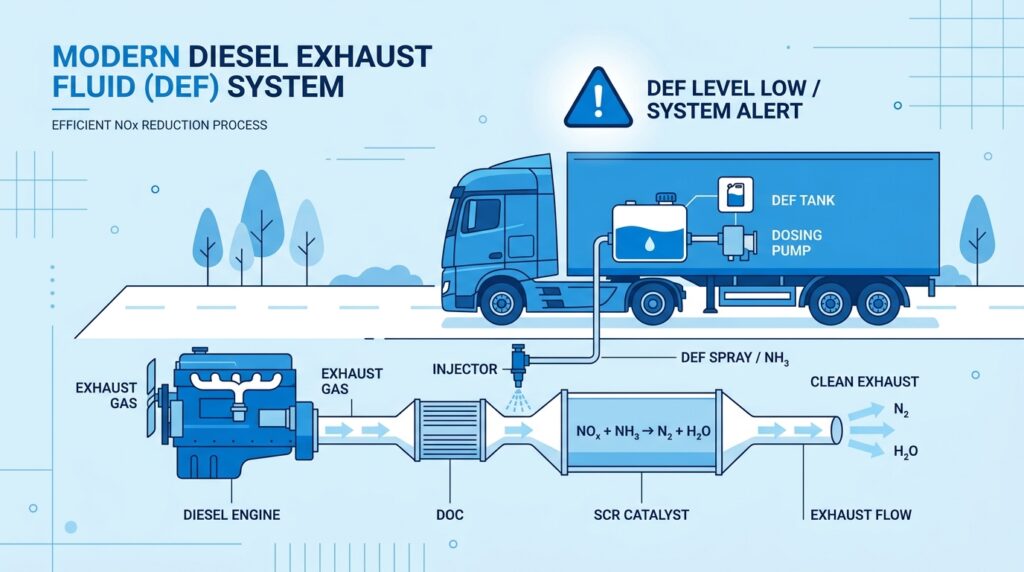
Diesel Exhaust Fluid is a non-toxic solution made from urea and deionized water. It is stored in a separate tank and injected into the exhaust stream of a diesel engine. The purpose of DEF is to reduce nitrogen oxide emissions, which are harmful pollutants produced during combustion.
The system uses a technology called Selective Catalytic Reduction. When DEF is sprayed into the exhaust, it reacts with nitrogen oxides and converts them into harmless nitrogen and water vapor. This process allows diesel engines to meet strict environmental standards without sacrificing performance.
Key Components of a DEF System
A typical DEF system includes several critical parts working together. The DEF tank stores the fluid and is equipped with sensors to monitor levels and quality. A pump sends the fluid through lines to an injector, which sprays it into the exhaust stream. The SCR catalyst is where the chemical reaction takes place. Sensors, including NOx sensors and DEF quality sensors, monitor emissions and system performance. In colder climates, heating elements prevent the fluid from freezing.
Each component must function properly for the system to work efficiently. Even a minor failure in one part can trigger warnings or performance restrictions.
Why DEF Systems Fail
Sensor Failures
One of the most common issues drivers face is sensor malfunction. DEF quality sensors and NOx sensors are known to fail or provide incorrect readings. When this happens, the system may incorrectly detect a problem and trigger warning lights or derate mode, even if everything is functioning normally.
DEF Crystallization and Freezing
DEF can crystallize when exposed to air or extreme temperatures. In colder environments, it can freeze, which may block lines and injectors. Although systems are designed with heaters, they are not always effective, especially in harsh conditions.
Software and Calibration Issues
Many DEF system problems are linked to software rather than hardware. Poor calibration can cause the system to be overly sensitive, triggering alerts or limiting performance unnecessarily. This has been a major complaint among drivers, particularly in newer vehicles.
Low-Quality DEF Fluid
Using contaminated or low-quality DEF can lead to system errors and damage. Impurities can clog injectors and interfere with sensor readings, resulting in costly repairs.
What Is DEF Derate and Why It Matters
DEF derate is a protective feature designed to enforce emissions compliance. When the system detects a fault, it may limit engine power or reduce vehicle speed. In some cases, vehicles can be restricted to very low speeds, making them difficult or unsafe to operate on highways.
While derate is intended to ensure environmental compliance, it often activates due to false readings or minor issues. This has made it one of the most frustrating aspects of DEF systems for drivers, especially when it occurs unexpectedly.
EPA DEF System Fix: Latest Updates
Removal of DEF Quality Sensors
One of the most significant changes introduced by the EPA is the removal of certain DEF quality sensor requirements. These sensors have been a major source of false alerts and system failures. By eliminating or reducing reliance on them, the EPA aims to improve reliability and reduce unnecessary repairs.
Shift Toward NOx Sensors
The EPA is encouraging the use of more reliable NOx sensors instead of problematic DEF quality sensors. These sensors provide more accurate readings of emissions and help ensure the system operates as intended without triggering false alarms.
Reduced Engine Shutdown Rules
Another important update focuses on reducing harsh penalties like complete engine shutdowns. The EPA is working with manufacturers to create more balanced responses to system faults, prioritizing driver safety while still maintaining emissions compliance.
Support for Right to Repair
The EPA has also taken steps to support the right to repair, allowing drivers and independent mechanics greater access to tools and information needed to fix DEF systems. This change is expected to reduce repair costs and increase flexibility for vehicle owners.
How These EPA Fixes Help Drivers
The recent updates are expected to bring several benefits. Drivers will likely experience fewer unexpected shutdowns and derates, which improves safety and reliability. Repair costs should decrease as problematic components are phased out and repair access improves. Fleet operators can benefit from reduced downtime, leading to increased productivity and profitability.
These changes also signal a shift toward more practical and driver-friendly regulations, addressing long-standing concerns within the diesel community.
Can You Remove or Bypass DEF System?
Legal Risks
Some drivers consider removing or bypassing the DEF system to avoid problems. However, this practice is illegal in many regions and can result in heavy fines and penalties. Emissions regulations are strictly enforced, and tampering with the system can lead to serious consequences.
Performance and Reliability Concerns
Modern diesel engines are designed to work with DEF systems. Removing them can disrupt engine performance, reduce efficiency, and even cause long-term damage. While it may seem like a quick fix, it often creates more problems than it solves.
Practical Fixes Drivers Can Try
Regular Maintenance Tips
Proper maintenance is the best way to avoid DEF system issues. Always use high-quality DEF fluid from trusted sources. Keep the DEF tank clean and sealed to prevent contamination. Regularly inspect system components, including sensors and wiring, for signs of wear or damage.
Troubleshooting Common DEF Errors
If you encounter warning lights or alerts, start by checking the DEF level and quality. Ensure the fluid is not expired or contaminated. Resetting the system may resolve minor glitches, but persistent issues should be addressed promptly to avoid further complications.
When to Visit a Mechanic
If your vehicle enters derate mode or repeatedly shows errors, it is important to seek professional help. A qualified mechanic can diagnose the issue accurately and prevent more serious damage. Ignoring warning signs can lead to costly repairs and extended downtime.
Future of DEF Systems
The future of DEF systems looks promising as regulators and manufacturers work together to improve reliability and efficiency. Advances in sensor technology and system design are expected to reduce failures and enhance performance. There is also ongoing research into alternative emissions solutions that could simplify or replace current systems.
As environmental standards continue to evolve, drivers can expect further updates aimed at balancing compliance with practicality. Staying informed will be key to adapting to these changes.
Final Thoughts
The DEF system remains an essential part of modern diesel engines, helping reduce harmful emissions and meet environmental standards. However, its complexity has created challenges for many drivers, from unexpected derates to expensive repairs. The latest EPA fixes represent a significant step toward addressing these issues, offering improved reliability, reduced costs, and greater flexibility.
For drivers, the best approach is to understand how the system works, follow proper maintenance practices, and stay updated on regulatory changes. By doing so, you can minimize disruptions, protect your vehicle, and navigate the evolving landscape of diesel technology with confidence.
Explore More:
Tour vs Sport Mode: Which Lyriq Mode Saves More Battery?
Miles Per Gallon Calculator (MPG & Fuel Cost Tool)
Thanks , This article really help me fix my stuff.
Great, I was looking for that kind of information