
 By Matthew Sullivan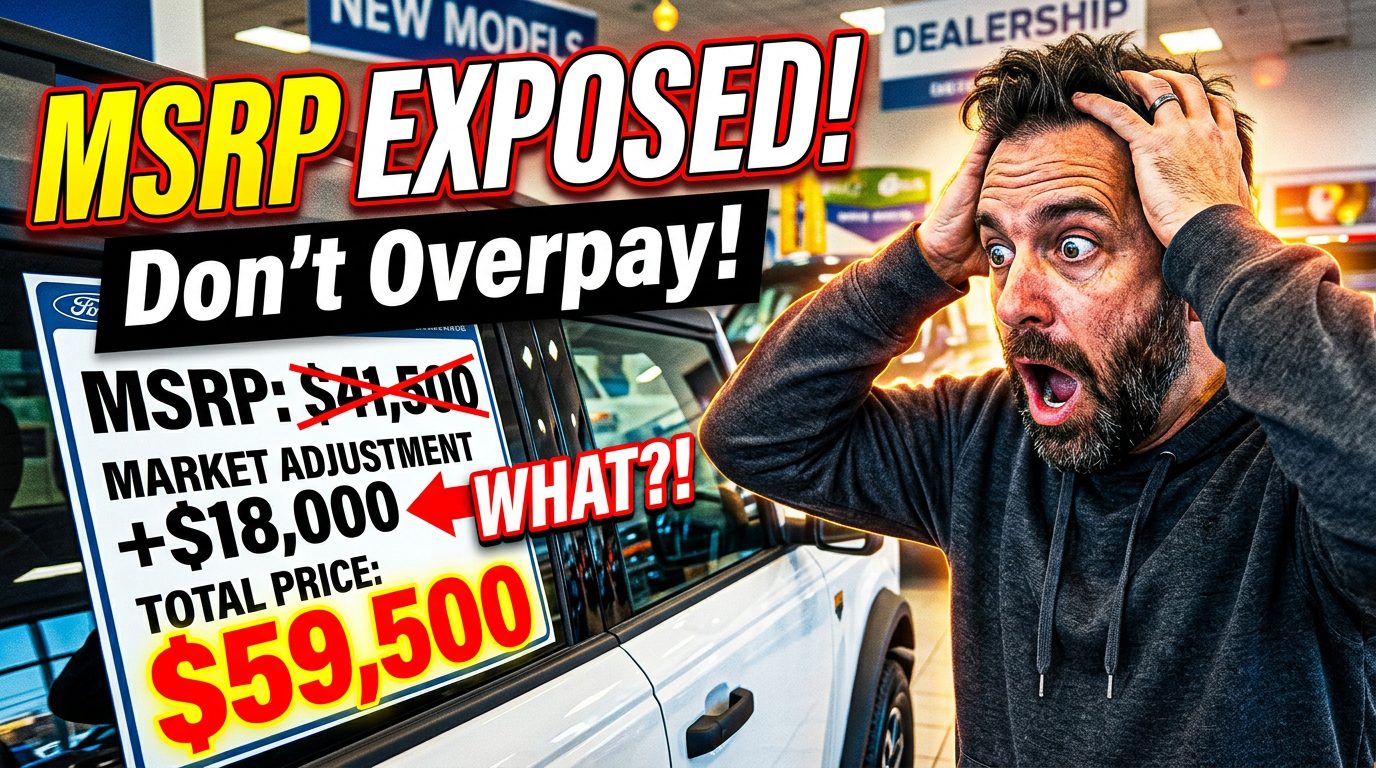
What Does MSRP Stand For? (Quick Answer)
MSRP stands for Manufacturer’s Suggested Retail Price. It is the price that a manufacturer recommends a dealer should sell a product for, especially when it comes to cars. You might also hear it called the sticker price or list price, and it is usually displayed on the vehicle’s window at dealerships.
What Is MSRP in Simple Words?
In simple terms, MSRP is just a suggested price, not a fixed one. It acts as a starting point for pricing, helping both buyers and sellers understand the expected value of a car. The manufacturer sets this number based on production costs, market demand, and competition, but dealers are not required to follow it strictly. This means the actual price you pay can be lower or higher depending on negotiation and market conditions.
Why MSRP Exists (And Why It Matters)
MSRP exists to create a standard reference price across different dealerships. Without it, pricing could vary wildly, making it difficult for buyers to know whether they are getting a fair deal. It also helps maintain brand consistency and prevents extreme overpricing or underpricing. For buyers, MSRP is important because it gives a baseline from which negotiations can begin and helps you evaluate offers more confidently.
What’s Included in MSRP?
MSRP typically includes the base price of the vehicle along with any factory-installed features or optional packages. If a car comes with upgraded interiors, advanced safety systems, or premium technology packages installed by the manufacturer, those costs are reflected in the MSRP. However, it is important to note that MSRP does not include taxes, registration fees, insurance, or dealer-added charges. These additional costs can significantly increase the final amount you pay.
MSRP vs Invoice Price (Important Difference)
Understanding the difference between MSRP and invoice price can save you a lot of money. MSRP is the price suggested by the manufacturer, while the invoice price is what the dealer actually pays the manufacturer for the car. In most cases, the invoice price is lower than the MSRP, which allows dealers to make a profit. Knowing this difference gives you an advantage during negotiations because it reveals how much room there might be to reduce the price.
Is MSRP the Price You Actually Pay?
The simple answer is no. MSRP is rarely the final price you pay for a car. In many cases, you can negotiate a price lower than MSRP, especially if there are promotions, discounts, or less demand for a particular model. On the other hand, in high-demand situations, dealers may charge more than MSRP, which is known as a markup. This is why it is essential to research and compare prices before making a purchase.
How Dealers Use MSRP to Their Advantage
Dealers often use MSRP as an anchor to influence buyer perception. When you see a higher MSRP, any discount offered afterward feels like a better deal, even if the final price is still higher than market value. Some dealers also add extra features or services that increase the total cost. This strategy can make buyers feel pressured to accept an offer without fully understanding the breakdown of pricing.
How to Use MSRP to Get the Best Deal
To get the best deal, start by researching the MSRP of the car you are interested in and compare it across multiple dealerships. Look into the invoice price if possible, as it gives you a better idea of the dealer’s cost. Always negotiate and do not hesitate to walk away if the deal does not feel right. Asking for the out-the-door price, which includes all fees and taxes, can also help you avoid surprises.
Common MSRP Mistakes Buyers Make
One common mistake is assuming that MSRP is the final price and not attempting to negotiate. Many buyers also overlook additional fees that are not included in MSRP, such as documentation charges or dealer add-ons. Another mistake is relying solely on one dealership without comparing prices elsewhere. Avoiding these errors can help you make a smarter and more cost-effective decision.
MSRP Example (Real-Life Scenario)
Imagine a car with an MSRP of $30,000. After negotiation, the dealer agrees to sell it for $28,000. At first glance, this seems like a great deal, but once you add taxes, registration, and dealer fees, the final price might rise to $31,000. This example shows why understanding MSRP is important, but also why you should always consider the total cost before making a purchase.
MSRP in Other Products (Not Just Cars)
While MSRP is most commonly associated with cars, it is also used in many other industries. Electronics, appliances and retail products often have an MSRP set by the manufacturer. Just like with cars, the actual selling price can vary depending on demand, location, and retailer pricing strategies.
Final Thoughts: Should You Trust MSRP?
MSRP is a useful guide, but it should never be treated as the final price. It serves as a starting point that helps you understand the value of a product and gives you a foundation for negotiation. By using MSRP wisely and doing proper research, you can avoid overpaying and make a more informed buying decision.
Explore More:
How Much Can a Toyota Tacoma Tow? 2026 Guide
EPA DEF System Fix: What Drivers Must Know
Tour vs Sport Mode: Which Lyriq Mode Saves More Battery?