
 By Matthew Sullivan
The aviation world often witnesses unexpected moments, but few grab attention like an emergency diversion mid-flight. One such incident involved EasyJet flight U2238, which was forced to make an emergency landing in Newcastle instead of reaching its planned destination. The event quickly became a topic of discussion across news platforms and social media, raising questions about what exactly happened onboard. If you are searching for details about the “easyjet flight u2238 emergency landing newcastle,” this article breaks down everything you need to know in a clear and engaging way.
Overview of EasyJet Flight U2238 Incident
EasyJet flight U2238 was operating on a scheduled route from Copenhagen to Manchester, a fairly routine journey connecting Denmark to the United Kingdom. The flight departed as planned, and initially, everything appeared normal. However, while cruising mid-air, the situation took an unexpected turn that required immediate attention from the flight crew.
As the aircraft progressed toward Manchester, the pilots made the decision to divert the plane to Newcastle. The diversion was not due to weather conditions or technical failure but something that demanded urgent action onboard. The aircraft landed safely at Newcastle Airport, ensuring that all passengers and crew remained unharmed.
Reports confirm that the diversion was handled professionally, with safety protocols followed precisely. While such incidents may sound alarming at first, the controlled and smooth landing demonstrated the effectiveness of aviation safety systems and crew training.
Why Did EasyJet Flight U2238 Make an Emergency Landing?
The primary reason behind the emergency landing was a medical situation involving a passenger onboard. In aviation terms, this is often referred to as a “passenger welfare issue.” When a traveler requires urgent medical attention that cannot wait until the scheduled destination, pilots are trained to act quickly and prioritize safety above all else.
In this case, the crew assessed the severity of the situation and determined that continuing to Manchester could put the passenger at risk. As a result, they opted to divert to the nearest suitable airport, which was Newcastle. This decision aligns with standard aviation procedures, where the health and safety of passengers take precedence over schedules or operational convenience.
Medical emergencies are among the most common reasons for flight diversions. Whether it is a sudden illness, breathing difficulty, or another health complication, airlines are prepared to respond swiftly. The crew typically includes trained personnel who can provide initial assistance until professional medical teams are available on the ground.
What Happens During an Emergency Diversion?
When an emergency situation arises onboard, a series of coordinated steps are immediately set into motion. The pilot first evaluates the situation and may declare an emergency to air traffic control. This ensures priority handling and allows the aircraft to land as quickly as possible.
Air traffic controllers then assist by clearing airspace and guiding the aircraft to the nearest appropriate airport. In the case of flight U2238, Newcastle was selected due to its proximity and readiness to handle emergency situations. The airport’s facilities and emergency response teams make it a suitable choice for such diversions.
Passengers onboard may notice changes during this process, such as announcements from the captain or cabin crew. While the situation is urgent, the crew is trained to remain calm and keep passengers informed without causing panic. This balance of urgency and reassurance is a key part of managing in-flight emergencies effectively.
What Happened After Landing in Newcastle?
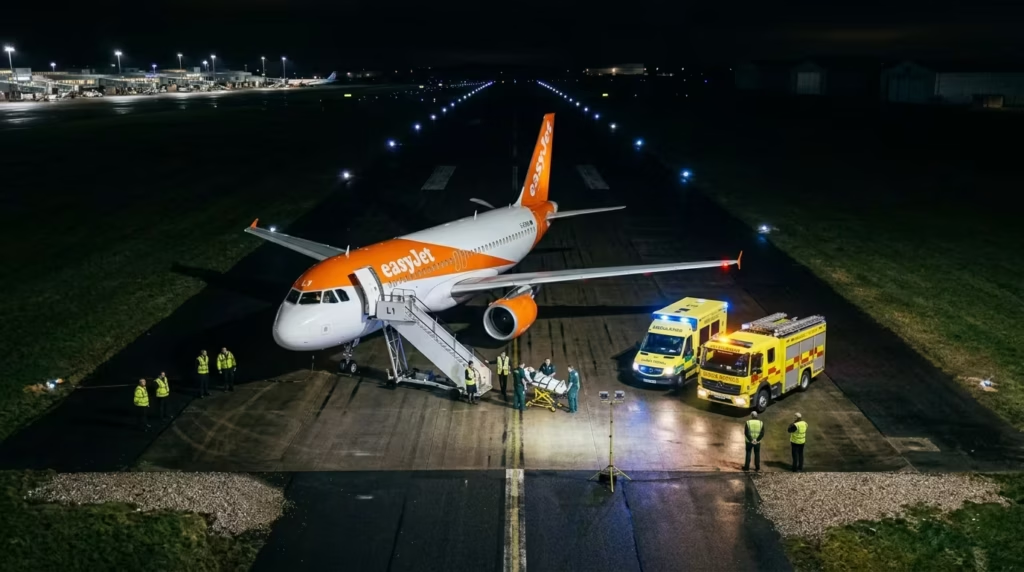
After landing in Newcastle, emergency medical teams were ready to respond. The affected passenger received immediate attention from healthcare professionals, which is the primary goal of such diversions. Quick access to medical care can make a critical difference in emergency situations, and this is exactly why the flight was rerouted.
Once the situation was stabilized, the airline coordinated the next steps. In many such cases, flights may either continue their journey after a delay or arrangements are made for passengers to reach their destination through alternative means. The exact continuation depends on operational factors and the condition of the passenger involved.
Importantly, there were no reports of major injuries or broader issues affecting other passengers. The incident was contained and managed efficiently, reflecting the preparedness of both the airline and airport authorities.
Why Newcastle Was Chosen for Landing
The choice of Newcastle as the diversion airport was not random. In aviation, pilots must consider several factors when selecting an alternate landing location. Distance is one of the most critical elements, as reaching the ground quickly can be vital during emergencies.
Newcastle Airport is strategically located along the flight path from Copenhagen to Manchester, making it an ideal option. Additionally, the airport is well-equipped with emergency response services, including medical teams and ground support. This ensures that any urgent situation can be handled promptly upon landing.
Another factor is runway availability and air traffic conditions. Newcastle offers the infrastructure needed for safe and efficient landings, even under unexpected circumstances. All these elements combined made it the best choice for flight U2238.
How Common Are Emergency Landings Like This?
While the term “emergency landing” may sound alarming, such events are not as rare as many people think. Thousands of flights operate daily around the world, and a small percentage encounter situations that require diversions. Among these, medical emergencies are one of the leading causes.
It is important to understand that an emergency landing does not necessarily indicate danger or disaster. In most cases, it is a precautionary measure taken to ensure the safety and well-being of passengers. The aviation industry is designed with multiple layers of safety, allowing crews to handle unexpected situations with confidence.
Statistics and industry reports consistently show that the vast majority of emergency landings end safely, just like the case of EasyJet flight U2238. This highlights the reliability of modern aviation systems and the effectiveness of crew training.
Passenger Safety in Aviation Emergencies
Passenger safety is the top priority in aviation, and this principle guides every decision made during a flight. Airlines invest heavily in training their staff to handle emergencies, including medical incidents, technical issues, and other unexpected events.
Cabin crew members are trained in first aid and emergency response, enabling them to assist passengers until professional help is available. Pilots undergo rigorous training to manage various scenarios, ensuring that they can make quick and informed decisions under pressure.
Aircraft are also equipped with medical kits and communication systems that allow crews to consult with medical professionals on the ground if needed. These resources play a crucial role in managing onboard emergencies effectively.
The incident involving flight U2238 serves as a reminder of how these systems work together seamlessly. From the initial response onboard to the coordinated landing and medical assistance on the ground, every step is designed to protect passengers.
Public Reaction and Media Coverage
The diversion of EasyJet flight U2238 quickly attracted media attention, with several news outlets reporting on the incident. Headlines focused on the emergency landing in Newcastle and the underlying medical issue that prompted the diversion.
Social media also played a role in spreading awareness, with users discussing the event and sharing updates. Such incidents often spark curiosity, as people want to understand what happens during in-flight emergencies and how airlines handle them.
The consistent message across reports was reassuring. The situation was managed professionally, the aircraft landed safely, and the affected passenger received the necessary care. This narrative reinforces public confidence in aviation safety.
Conclusion
The emergency diversion of EasyJet flight U2238 to Newcastle was a clear example of how the aviation industry prioritizes passenger safety above all else. What began as a routine journey from Copenhagen to Manchester turned into an unexpected situation due to a medical emergency onboard. However, thanks to quick decision-making, effective coordination, and well-established safety protocols, the outcome was positive.
Understanding incidents like the “easyjet flight u2238 emergency landing newcastle” helps demystify air travel and highlights the professionalism behind the scenes. Emergency landings are not signs of failure but evidence of a system designed to respond swiftly and responsibly. In this case, everything worked as it should, ensuring that passengers remained safe and that the situation was handled with care and efficiency.
FAQs
A medical emergency involving a passenger onboard.
No major injuries were reported, and the passenger received medical care.
Yes, the flight continued after the situation was handled.
No, they are usually precautionary measures to ensure passenger safety.
Explore More:
No More Dirty Panels? Palm Oil Street Lights Explained