
 By Laura Mitchell
The unexpected diversion of United Airlines Flight UA109 quickly became a widely discussed aviation incident, drawing attention from travelers, aviation enthusiasts, and news platforms alike. A routine transatlantic journey suddenly turned into a mid-air U-turn over the Atlantic Ocean, leaving many wondering what went wrong. Was it a technical fault, a security issue, or something more serious? This article explores the real reason behind the diversion, backed by verified information, and provides a complete breakdown of what happened, why it happened, and what it means for aviation safety.
Overview of United Flight UA109
United Airlines operates Flight UA109 as a long-haul international route connecting Munich, Germany to Washington, D.C. in the United States. The flight is typically operated using a Boeing 787-8 Dreamliner, a modern aircraft designed for efficiency and passenger comfort on intercontinental journeys. This route usually crosses the Atlantic Ocean and is considered a standard, well-established flight path. Under normal conditions, the journey proceeds smoothly without interruptions, making the diversion event particularly unusual and noteworthy.
What Happened: Quick Summary of the Diversion
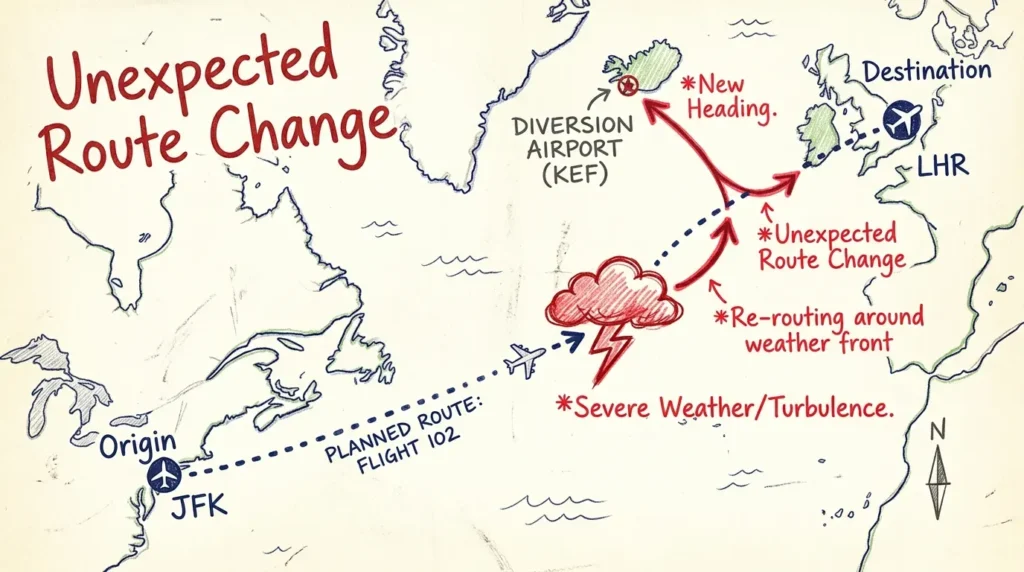
On October 30, 2025, Flight UA109 departed from Munich as scheduled, heading toward Washington Dulles International Airport. Everything appeared normal during the initial phase of the flight. However, after traveling for a few hours over the Atlantic, the aircraft made an unexpected decision to turn around and divert. Instead of continuing toward its destination, the flight was rerouted to Dublin Airport. The aircraft landed safely, and passengers were not exposed to any immediate danger. While the diversion caused concern and curiosity, the situation was handled professionally and without panic.
The Real Reason Revealed
The primary cause of the diversion was a medical emergency involving a member of the cabin crew. Unlike passenger-related medical issues, which can sometimes be managed onboard depending on severity, this situation directly affected the operational requirements of the flight. Aviation regulations require a minimum number of active and capable crew members to ensure passenger safety. When a crew member becomes unable to perform their duties due to a medical condition, the flight may no longer meet safety standards to continue its journey. In this case, the condition of the crew member required immediate attention on the ground, making diversion the safest and only viable option. This was not a technical failure or mechanical issue but a precautionary measure aligned with strict aviation safety protocols.
Timeline of Events (Step-by-Step)
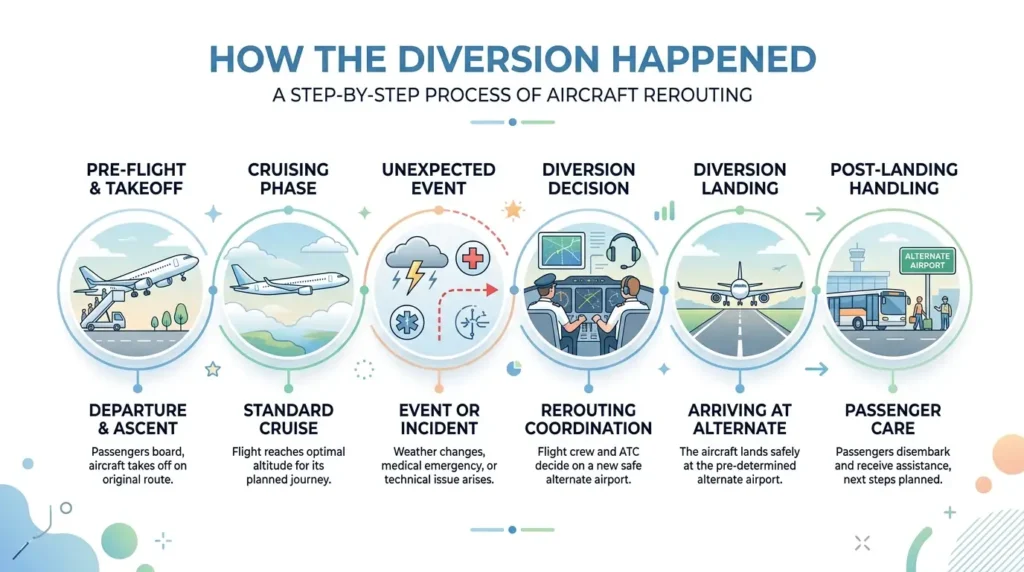
The sequence of events provides a clearer picture of how the situation unfolded. The flight took off from Munich and entered its cruising phase over the Atlantic Ocean. Approximately one to three hours into the journey, the medical issue affecting the crew member became evident. The crew assessed the situation and informed the pilots. The cockpit crew then coordinated with air traffic control and airline operations to determine the best course of action. After evaluating available options, the decision was made to divert to Dublin. The aircraft executed a controlled turn and began its descent toward Ireland. Upon arrival, medical personnel were ready to assist the affected crew member, ensuring prompt care.
Why Dublin Was Chosen for Diversion
Dublin was selected as the diversion airport for several strategic reasons. Dublin Airport is one of the major transatlantic hubs equipped to handle emergency landings and provide comprehensive medical services. Its location makes it a convenient option for flights crossing the North Atlantic. Airlines also consider operational readiness, runway availability, and ground support when choosing a diversion airport. Dublin met all these criteria, making it the most practical and efficient choice under the circumstances.
Was There Any Technical Problem?
One of the most common concerns in such incidents is whether the aircraft experienced a technical malfunction. In the case of Flight UA109, there were no reports of mechanical failure or system issues. The Boeing 787-8 Dreamliner functioned normally throughout the flight. The diversion was not related to the aircraft’s performance or safety systems. Clarifying this point is important because it highlights that the aircraft itself was fully capable of completing the journey. The decision to divert was purely based on human safety and regulatory compliance.
How the Crew Handled the Situation
The professionalism of the flight crew played a crucial role in managing the situation effectively. Cabin crew members are trained to respond to medical emergencies, both for passengers and fellow crew. Communication between the cabin and cockpit was clear and timely. The pilots followed established procedures, maintaining control of the aircraft while coordinating with ground authorities. Passengers were informed of the diversion in a calm and reassuring manner, which helped prevent panic. The situation demonstrates the importance of training and preparedness in aviation.
Passenger Experience During the Incident
For passengers onboard, the diversion may have initially caused confusion and concern. A sudden change in flight path, especially over the ocean, can be unsettling. However, clear communication from the crew helped ease anxiety. Most passengers remained calm as they were informed that the diversion was a precautionary measure. After landing in Dublin, passengers were assisted by ground staff and arrangements were made for the continuation of their journey. While the diversion caused delays, the overall experience remained controlled and safe.
Aviation Safety: Why Diversions Are Normal
Flight diversions are more common than many people realize. They are a standard part of aviation safety procedures and can occur for various reasons. These include medical emergencies, technical concerns, weather conditions, and security issues. Airlines prioritize safety above all else, and diversion decisions are made carefully and professionally. In the case of Flight UA109, the diversion reflects how aviation systems are designed to respond quickly to unexpected situations. Rather than indicating a failure, it demonstrates that safety protocols are working as intended.
Impact of the UA109 Diversion
The immediate impact of the diversion was a delay in the flight schedule. Passengers reached their destination later than planned, but without harm. The incident also generated significant online discussion and media coverage. For the airline, it reinforced the importance of adhering to safety regulations and maintaining operational readiness. From a broader perspective, the event served as a reminder of how complex and well-coordinated modern aviation systems are.
Key Facts at a Glance
Flight UA109 operated by United Airlines was traveling from Munich to Washington D.C. The aircraft diverted to Dublin due to a crew medical emergency. The plane used was a Boeing 787-8 Dreamliner. The diversion was precautionary, and the aircraft landed safely without injuries. The flight resumed later after necessary arrangements were made.
Conclusion
The diversion of United Flight UA109 was not the result of a dramatic failure or technical issue but a clear example of aviation safety protocols in action. A medical emergency involving a crew member required immediate attention, and the decision to divert ensured that all safety standards were maintained. The incident highlights the importance of preparedness, professional training, and quick decision-making in aviation. Ultimately, the safe landing in Dublin and the absence of injuries demonstrate that the system worked exactly as it was designed to, prioritizing human safety above all else.
FAQs
The flight diverted due to a medical emergency involving a crew member, which affected operational safety requirements.
No, the aircraft was functioning normally and there was no technical issue.
The aircraft diverted to Dublin Airport in Ireland.
The delay was relatively short, and passengers continued their journey afterward.
Yes, diversions are a normal part of aviation safety procedures and occur when necessary.
Explore More:
Latest Articles TravellingApples: Hidden Travel Gems
EasyJet Flight U2238 Diverted to Newcastle, Here’s Why