
 By Laura Mitchell
Have you ever noticed how your mood, energy, and daily habits shift as the weather changes? One moment you feel active and motivated during sunny days, and the next you feel tired and less productive when the days grow shorter. This is not just coincidence. Changing seasons have a powerful influence on how we live, think, and behave. If you have ever wondered how do changing seasons affect our lifestyle, the answer lies in a mix of science, environment, and human biology.
Seasons affect everything from your sleep cycle to your eating habits, social life, and even your mental health. Understanding these changes can help you adapt better and live a more balanced life throughout the year.
The Science Behind Seasonal Changes
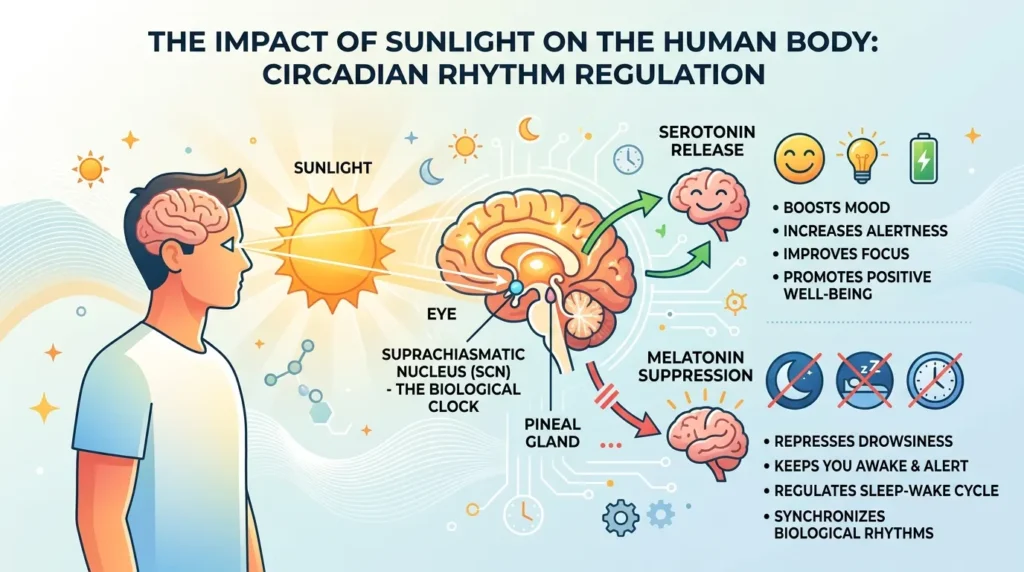
Seasonal changes are driven by variations in sunlight, temperature, and environmental conditions. These factors directly influence your body’s internal clock, also known as the circadian rhythm. This biological system controls when you feel awake, when you feel sleepy, and how your body functions throughout the day.
Sunlight plays a major role in regulating hormones such as serotonin and melatonin. Serotonin is linked to mood and happiness, while melatonin controls sleep. When days are longer and brighter, your body produces more serotonin, making you feel energetic and positive. On the other hand, shorter and darker days increase melatonin levels, which can make you feel sleepy and less motivated.
Temperature also plays a role. Warm weather encourages outdoor activities and movement, while cold weather often pushes people indoors, reducing physical activity and changing daily routines. These scientific factors explain why seasonal changes have such a noticeable impact on lifestyle.
How Seasons Affect Your Mood and Mental Health

One of the most significant ways seasons influence lifestyle is through mental health. Many people experience emotional changes as the seasons shift, especially during fall and winter.
Winter Blues and Seasonal Affective Disorder
During winter, reduced sunlight can lead to a condition known as Seasonal Affective Disorder, commonly called SAD. People with SAD often feel low, tired, and less interested in activities they usually enjoy. Even those who do not have clinical SAD may experience mild symptoms such as lack of motivation, irritability, or sadness.
Spring and Summer Mood Boost
As spring arrives and days become longer, many people notice a natural improvement in mood. Increased sunlight boosts serotonin levels, leading to higher energy, better focus, and a more positive outlook on life. Summer, in particular, is associated with happiness, social activity, and increased motivation.
Emotional Changes During Transitions
Seasonal transitions can also bring emotional instability. For example, the shift from winter to spring may cause restlessness or anxiety as the body adjusts to new environmental conditions. These mood changes are natural and highlight how closely our emotions are linked to seasonal patterns.
Impact on Sleep Patterns and Energy Levels
Sleep is another major aspect of lifestyle affected by changing seasons. Your body relies on light exposure to regulate sleep cycles, so any change in daylight can disrupt your routine.
In winter, longer nights often lead to increased sleep duration. However, despite sleeping more, many people still feel tired during the day. This is because reduced sunlight affects energy levels and alertness.
In contrast, summer brings longer days and shorter nights. People tend to sleep less but feel more energetic due to higher exposure to natural light. However, excessive heat can sometimes disturb sleep quality, especially in regions with high temperatures.
These seasonal variations in sleep patterns directly impact productivity, concentration, and overall lifestyle.
Changes in Physical Activity and Fitness
Your level of physical activity often changes with the seasons. Weather conditions play a major role in determining how active you are on a daily basis.
During spring and summer, people are more likely to engage in outdoor activities such as walking, jogging, cycling, or playing sports. The pleasant weather encourages movement and helps maintain physical fitness.
In contrast, winter often leads to a more sedentary lifestyle. Cold temperatures and shorter days reduce motivation to exercise, leading many people to spend more time indoors. This decrease in physical activity can contribute to weight gain and reduced overall fitness.
Seasonal changes also influence workout preferences. For example, people may shift from outdoor sports in summer to indoor gym routines in winter.
Seasonal Impact on Diet and Eating Habits
Diet and eating patterns are closely linked to seasonal changes. Your body’s nutritional needs and cravings often vary depending on the weather.
In colder months, people tend to crave warm, high-calorie foods such as soups, fried items, and comfort meals. These foods provide a sense of warmth and satisfaction but can lead to increased calorie intake.
In warmer months, people usually prefer lighter meals such as fruits, salads, and cold beverages. Hydration also becomes more important during summer due to increased sweating and heat exposure.
Seasonal changes can also affect metabolism. Some studies suggest that the body may store more fat during colder months as a natural response to lower temperatures. This explains why maintaining a balanced diet throughout the year is essential.
Social Life and Daily Routine Changes
Seasons significantly influence social behavior and daily routines. Your lifestyle is not just about personal habits but also about how you interact with others and manage your time.
During winter, people often spend more time indoors. Social gatherings may decrease, and individuals may prefer staying at home. This can lead to reduced social interaction and sometimes feelings of isolation.
On the other hand, spring and summer encourage outdoor activities and social events. People are more likely to travel, attend gatherings, and spend time with friends and family. This increase in social activity can improve mood and overall well-being.
Daily routines also shift with the seasons. Productivity levels may drop during darker months due to lower energy levels, while brighter months often bring increased motivation and efficiency.
Financial and Lifestyle Spending Changes
Seasonal changes also impact how people spend money and manage their lifestyle. Each season brings different financial priorities and expenses.
In summer, people tend to spend more on travel, outdoor activities, and leisure. Vacations, events, and recreational activities become more common.
In winter, spending often shifts toward indoor needs such as heating, electricity, and home entertainment. Festive seasons can also increase expenses due to celebrations and shopping.
These financial patterns are closely linked to lifestyle changes and highlight how seasons influence not only behavior but also economic decisions.
How to Adapt Your Lifestyle to Seasonal Changes
Adapting to seasonal changes is essential for maintaining a healthy and balanced lifestyle. Instead of resisting these changes, it is better to adjust your habits accordingly.
One of the most effective strategies is to maximize exposure to natural light, especially during winter. Spending time outdoors during daylight hours can help improve mood and energy levels.
Maintaining a consistent sleep schedule is also important. Try to go to bed and wake up at the same time each day, regardless of the season. This helps regulate your internal clock.
Staying physically active throughout the year is another key factor. Even during colder months, indoor workouts or simple exercises can help maintain fitness and energy.
Adjusting your diet based on seasonal needs can also make a difference. Focus on balanced nutrition and avoid excessive consumption of high-calorie foods during winter.
Finally, staying socially connected is important for mental health. Make an effort to engage with friends and family, even when the weather discourages outdoor activities.
Conclusion
Changing seasons have a deep and lasting impact on your lifestyle. From mood and sleep to physical activity, diet, and social behavior, every aspect of daily life is influenced by environmental changes. These shifts are natural and rooted in human biology.
By understanding how do changing seasons affect our lifestyle, you can take proactive steps to adapt and maintain balance throughout the year. Instead of letting seasonal changes control your routine, you can use this knowledge to improve your health, productivity, and overall well-being.
FAQs
Changing seasons influence behavior by affecting mood, energy levels, and daily habits. People tend to be more active and social in warmer months and more relaxed or withdrawn in colder months.
Reduced sunlight in winter increases melatonin levels, which can make you feel sleepy and less energetic during the day.
Yes, seasonal changes can impact mental health. Conditions like Seasonal Affective Disorder are linked to reduced sunlight and changes in hormone levels.
Productivity often decreases during darker months due to lower energy levels and increases during brighter months when people feel more motivated.
Explore More:
10 BetterThisFacts Tips by BetterThisWorld That Work
TheLifestyleEdge com Review: Worth Your Time?