
 By Matthew Sullivan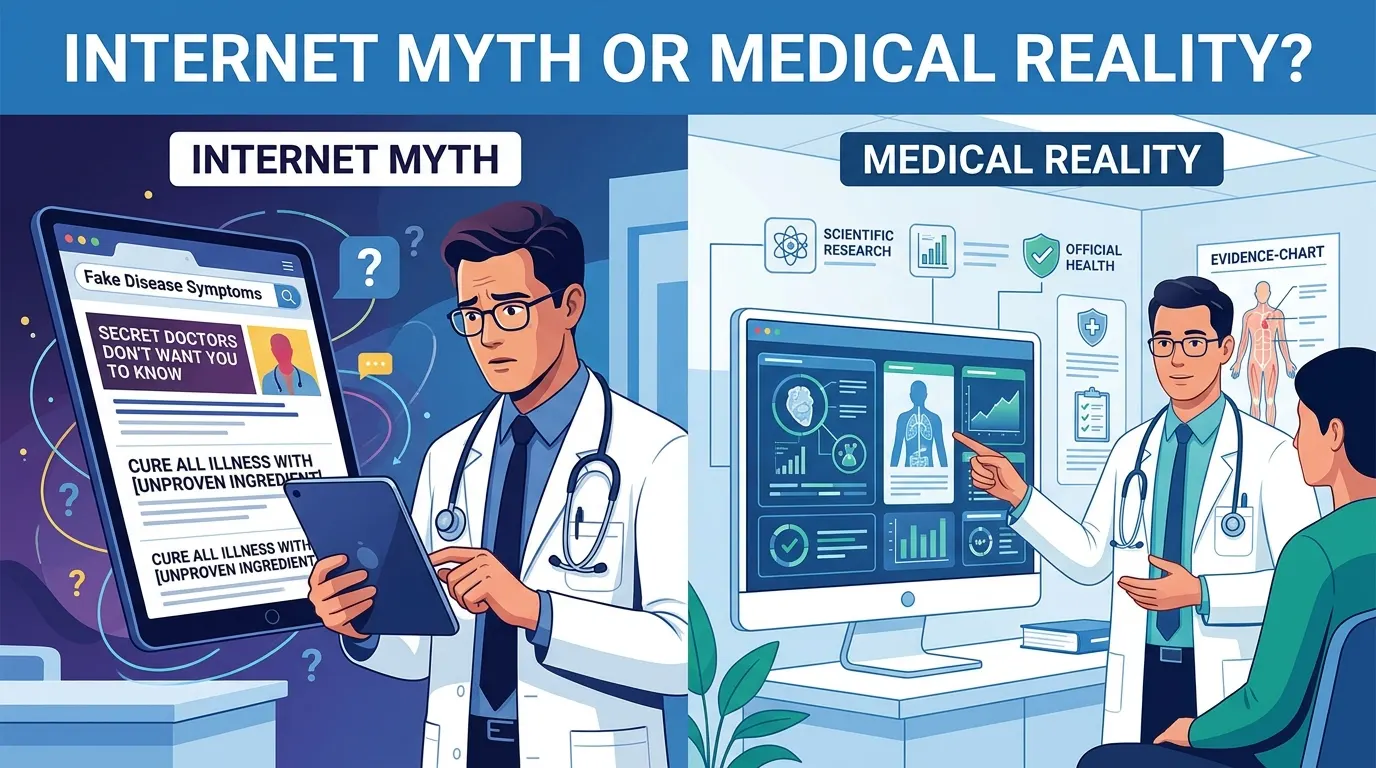
The internet is full of strange trends, mysterious words, and viral questions that suddenly appear everywhere overnight. One of the latest examples is the phrase “why does ozdikenosis kill you” Thousands of people are searching for it online, trying to understand whether it is a real disease, a hidden medical condition, or simply another internet hoax.
What makes this keyword fascinating is how believable it sounds. Many people who first see the term assume it must be connected to a dangerous illness because of the serious way it is discussed online. Some websites claim it affects organs, breathing, or the nervous system, while others insist the entire topic is fake.
So, what is the truth? Does ozdikenosis actually exist, and can it really kill someone? In this article, we will explore the origins of the term, why it became viral, and how internet misinformation can turn fictional ideas into trending topics.
What Is Ozdikenosis?
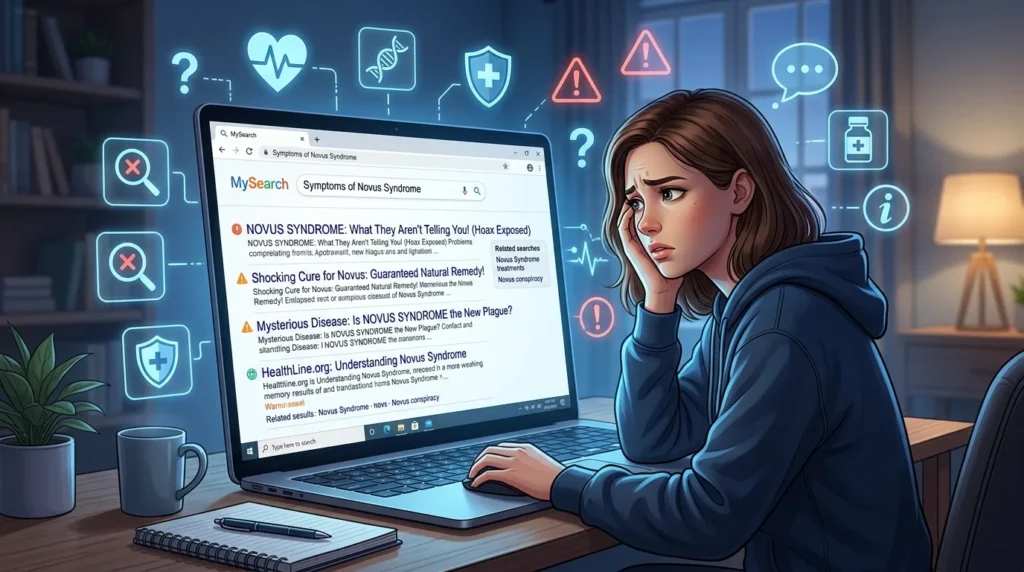
The first question most people ask is simple: what exactly is ozdikenosis?
After checking recognized medical databases, scientific publications, and trusted healthcare organizations, there is currently no evidence that “ozdikenosis” is a real medical condition. It does not appear in official disease registries, medical textbooks, or research journals.
Despite this, the term has spread rapidly online. Many blogs and low-authority websites describe it as if it were a serious disease, often using vague medical language that sounds convincing to readers unfamiliar with scientific terminology.
Is Ozdikenosis a Real Disease?
At this time, there is no medically verified disease called ozdikenosis. The word itself appears to be fictional, invented, or possibly generated as part of an internet trend.
This explains why searches like “why does ozdikenosis kill you” are growing quickly. People encounter the word online, assume it is real, and then search for answers out of concern or curiosity.
The lack of reliable medical information is one of the biggest clues that the condition is not genuine. Real diseases typically have documented symptoms, research studies, clinical references, and recognition from health organizations. Ozdikenosis has none of these.
Why the Name Sounds Real
One reason the term spreads so effectively is because it sounds medically authentic. Many legitimate diseases use endings like “-osis,” including conditions such as tuberculosis, fibrosis, or psychosis.
Because people are familiar with these naming patterns, they instinctively trust unfamiliar words that sound similar. This psychological effect makes fake medical terms surprisingly believable.
The name “ozdikenosis” follows the same pattern, which helps create the illusion of legitimacy even without scientific backing.
Why Are People Searching “Why Does Ozdikenosis Kill You?”

The next important question is why this keyword suddenly became popular.
The Viral Internet Trend Explained
Internet culture thrives on mystery and fear. When people encounter unusual phrases connected to danger, health, or death, curiosity increases dramatically. That curiosity drives clicks, searches, and social media shares.
The phrase “why does ozdikenosis kill you” likely gained attention because it combines all the elements needed for virality:
- mystery
- fear
- medical language
- emotional curiosity
Social media platforms, short-form videos, online forums, and AI-generated blogs can rapidly spread unusual terms without verifying their accuracy.
Once a few articles began discussing ozdikenosis as if it were real, search engines started recognizing user interest. More websites then created content targeting the keyword for traffic purposes, causing the trend to grow even faster.
How Search Curiosity Creates Virality
People naturally want answers to frightening questions. A phrase suggesting that something “kills you” instantly creates emotional engagement.
This is one reason sensational headlines perform so well online. Even if readers doubt the claim, they often click anyway because they want confirmation.
Search engines also contribute to this cycle. When users repeatedly search for unusual phrases, autocomplete suggestions and trending search sections increase visibility, making the topic appear even more important.
As a result, completely unverified ideas can spread across the internet within days.
Does Ozdikenosis Actually Kill You?
The direct answer is no. There is no scientific evidence that ozdikenosis exists, meaning there is also no proof that it can cause death.
The Scientific Truth
No medical organization has published research about ozdikenosis. There are no documented symptoms, confirmed diagnoses, or clinical case studies connected to the term.
This strongly suggests that the phrase is fictional or misleading.
Many websites discussing ozdikenosis use vague statements about organ failure, breathing problems, or neurological damage without citing real medical evidence. These descriptions are designed to sound convincing while remaining impossible to verify.
In reality, trustworthy health information always includes references, scientific studies, expert opinions, and recognized sources.
Why Some Websites Claim It Is Dangerous
Many websites target trending keywords simply to generate traffic. Since unusual medical searches often attract clicks, some publishers create exaggerated articles even when no reliable information exists.
AI-generated content has also contributed to this problem. Modern AI tools can produce realistic-looking health articles in seconds, even about fictional topics. When enough websites publish similar information, readers may incorrectly assume the claims are true.
This creates a dangerous cycle where repetition is mistaken for credibility.
The Psychology Behind Internet Medical Myths
The ozdikenosis trend highlights how easily people can believe false medical information online.
Why People Believe Fake Diseases
There are several psychological reasons why fake medical stories spread quickly.
First, fear strongly influences attention. People are naturally drawn to content involving danger, death, or hidden threats.
Second, authority bias plays a role. If a website uses medical language or professional formatting, readers may assume the information is trustworthy even without evidence.
Third, repeated exposure increases belief. When people see the same claim across multiple websites, they become more likely to accept it as true.
These psychological effects make internet misinformation surprisingly powerful.
How Misinformation Spreads Fast Online
Modern algorithms reward engagement, not accuracy. Content that generates clicks, comments, or emotional reactions often spreads faster than factual information.
This is especially true for mysterious health-related topics. A strange disease name combined with alarming claims creates the perfect formula for viral traffic.
Unfortunately, many readers never verify the information they consume. They read headlines, skim articles, and share content without checking reliable medical sources.
This allows fictional concepts like ozdikenosis to gain temporary credibility online.
Could Ozdikenosis Be a Misspelled Condition?
Some people believe the term may be a typo or misunderstanding related to another medical condition.
Possible Explanations
There are several theories about where the word originated:
- It may be an internet joke or meme
- It could be a randomly generated AI term
- It may have started as satire
- It could be a misspelling of another disease
- Some websites may have intentionally created it for SEO traffic
Regardless of its origin, there is currently no evidence connecting ozdikenosis to any real illness.
The Role of AI and SEO in Viral Fake Health Terms
Artificial intelligence and modern SEO strategies have changed how information spreads online.
How AI Content Fuels Confusion
AI writing tools allow publishers to create large amounts of content very quickly. While these tools can be useful, they can also spread misinformation when used irresponsibly.
Some websites automatically generate articles targeting trending search phrases without checking whether the topic is real. As a result, fake health keywords can appear legitimate simply because many articles exist about them.
This creates confusion for readers who assume search results reflect scientific truth.
Why This Keyword Is Trending in Search Engines
The keyword “why does ozdikenosis kill you” performs well because it triggers strong curiosity. It sounds dangerous, mysterious, and urgent.
High click-through rates encourage search engines to show more content about the phrase, increasing visibility even further.
In many cases, viral search trends are driven more by emotional engagement than factual importance.
What We Can Learn From the Ozdikenosis Trend
The rise of ozdikenosis demonstrates the importance of critical thinking online.
Importance of Verifying Health Information
Before believing medical claims found online, it is important to check trusted sources such as:
- government health agencies
- scientific journals
- licensed healthcare professionals
- established medical institutions
If a disease cannot be found in reliable medical databases, skepticism is reasonable.
Health misinformation can create unnecessary fear and confusion, especially when viral content spreads faster than factual corrections.
How to Spot Fake Medical Information Online
There are several warning signs that a medical claim may be unreliable:
- no scientific references
- dramatic or sensational language
- anonymous authors
- vague symptom descriptions
- lack of expert sources
- exaggerated headlines
Learning to recognize these patterns can help readers avoid misinformation.
Conclusion
So, why does ozdikenosis kill you? The truth is that there is no evidence proving ozdikenosis even exists. The term appears to be part of a viral internet trend fueled by curiosity, misinformation, and SEO-driven content creation.
Its rapid spread demonstrates how easily fictional medical concepts can gain attention online, especially when they use realistic terminology and emotional headlines.
The ozdikenosis trend also serves as an important reminder to verify health information before accepting it as fact. In the digital age, viral popularity does not equal scientific truth.
Frequently Asked Questions
No. There is currently no scientific evidence that ozdikenosis is a recognized medical condition.
Because many websites use alarming language and sensational claims that make the fictional disease sound dangerous.
Its exact origin is unclear. It may have started as an internet joke, AI-generated term, or SEO-driven trend.
Most evidence suggests it is an internet-created term rather than a real disease.
Yes. Viral health myths can spread quickly online and confuse readers who do not verify information from trusted sources.
Explore More:
What Is Rowdy Oxford Integris? Meaning & Viral Buzz
Who Really Is Temey_07? Hidden Story Behind the Trend
How to Fix Keine Karriere-Subdomain Gefunden