
 By Laura Mitchell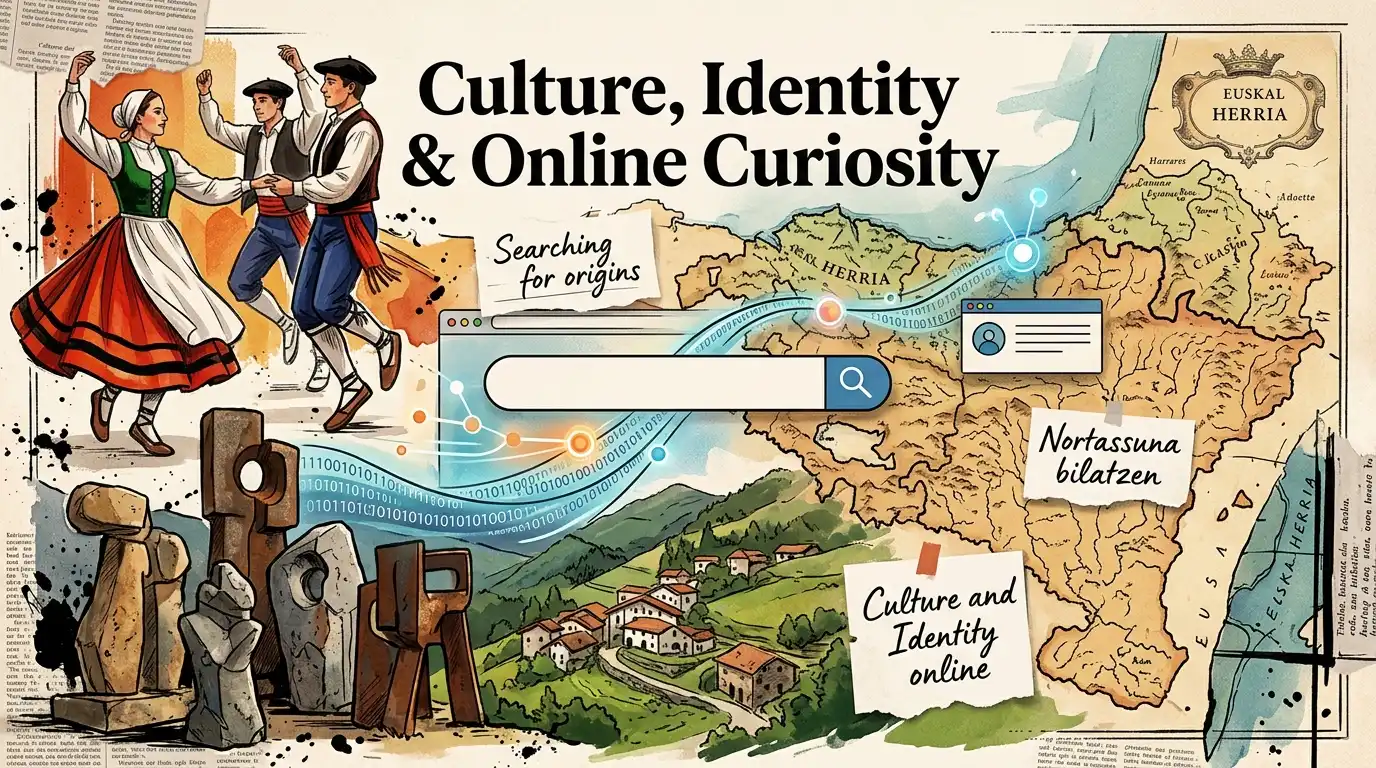
The internet has a strange way of turning unfamiliar words into trending search topics overnight. One term that has recently gained attention across blogs, forums, and search engines is “basqueserpartists.” While many users are still unsure about its exact meaning, curiosity around the keyword has grown rapidly in recent months. People are searching for explanations, cultural context, and historical connections linked to the phrase.
Part of the reason behind this growing interest is the mysterious nature of the keyword itself. Some websites connect it to Basque separatist history, while others associate it with art, identity, or cultural movements. This mix of interpretations has made the topic more intriguing for readers. As a result, articles discussing basqueserpartists have started appearing across different online platforms, attracting readers interested in politics, culture, and internet trends.
The keyword also reflects a larger online trend where obscure or misunderstood terms suddenly become popular due to social media discussions, AI-generated content, and curiosity-driven searches. To understand why basqueserpartists is trending online, it is important to look at the cultural and historical background connected to the Basque region and why the internet has become fascinated with it.
What Does “Basqueserpartists” Actually Mean?
The term “basqueserpartists” does not have a clear dictionary definition, which is one of the main reasons it has become such a heavily searched keyword. Most interpretations suggest that the phrase is connected to the Basque people, regional identity, and historical separatist movements associated with the Basque region located between Spain and France.
Some online sources believe the keyword may be a misspelled or combined variation of “Basque separatists.” Others connect it with discussions about Basque artists, cultural activists, or intellectual movements. Because there is no official explanation attached to the term, readers are clicking on articles hoping to discover what it actually means.
This uncertainty has created a strong curiosity factor. Internet users often become interested in topics that feel mysterious or partially unexplained. Once blogs and websites started publishing articles around the keyword, search engines began recognizing it as an emerging search trend. That visibility encouraged even more people to search for the term, increasing its online popularity.
The growing number of interpretations has also contributed to confusion. Some websites focus entirely on politics, while others discuss culture, language, or artistic expression. This broad range of meanings has made basqueserpartists a unique internet topic that combines history, identity, and modern online curiosity.
The History Behind the Basque Identity
The Origins of the Basque People
To understand the discussions around basqueserpartists, it is important to first understand the Basque people themselves. The Basques are considered one of Europe’s oldest cultural groups. They have lived in the region between northern Spain and southwestern France for centuries and have maintained a strong cultural identity throughout history.
One of the most unique aspects of Basque culture is the language known as Euskara. Unlike most European languages, Euskara is not directly related to Latin or other Indo-European language families. Linguists have long studied the language because of its unusual origins and structure. This linguistic uniqueness has helped preserve Basque identity over generations.
The Basque region is also known for strong traditions in music, food, festivals, sports, and local customs. Despite outside political influences over the centuries, Basque communities have continued to protect and celebrate their heritage.
Basque Region and Political Tensions
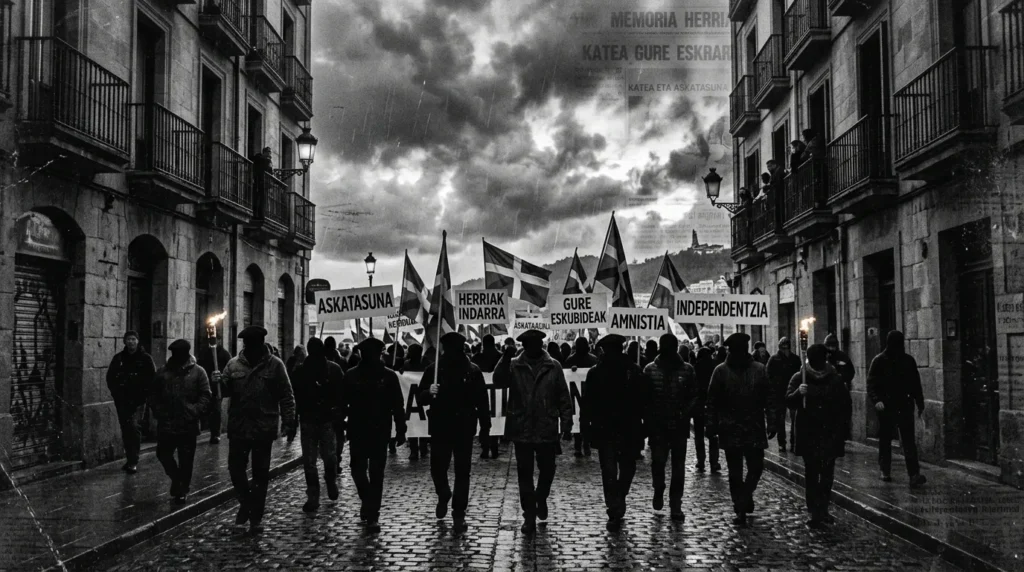
The historical connection between Basque identity and separatist movements is another reason why the keyword basqueserpartists is attracting attention online. For decades, political tensions existed between Basque nationalist groups and the Spanish government. Some groups pushed for greater autonomy, while others demanded complete independence.
One of the most widely known organizations associated with the conflict was ETA, a separatist group involved in violent political activity during the twentieth century. The conflict became internationally recognized and shaped public discussions around Basque nationalism for many years.
However, it is important to understand that Basque identity is much broader than political conflict. Many Basque people focus primarily on cultural preservation, language, education, and regional traditions rather than separatist politics. Modern discussions about Basque culture often emphasize heritage and creativity instead of historical violence.
Why Art and Culture Became Important
During periods of political pressure, art and culture became powerful tools for preserving Basque identity. Writers, musicians, painters, and sculptors used creative expression to protect local traditions and communicate cultural pride.
Basque artists often explored themes such as memory, belonging, language, and homeland. Their work helped maintain cultural identity during difficult political periods. Over time, Basque art gained recognition both within Europe and internationally.
Today, many modern Basque creators continue to blend historical themes with contemporary artistic styles. This combination of history and creativity is one reason internet users searching for basqueserpartists are also encountering discussions about art and culture.
Why “Basqueserpartists” Is Trending Online in 2026
Viral Curiosity Around Unusual Keywords
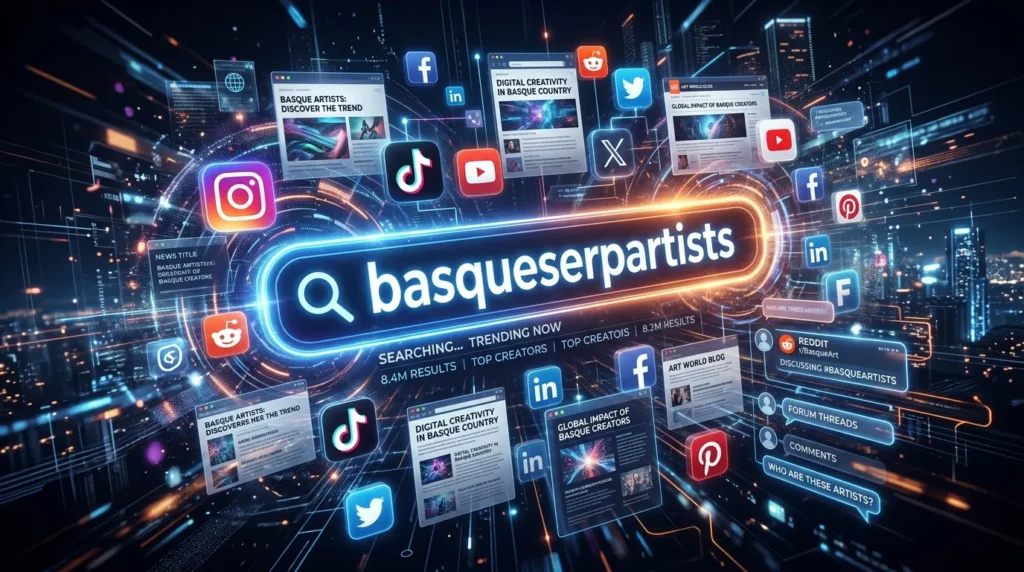
The internet frequently turns unusual words into viral topics. A confusing or unfamiliar phrase can quickly attract attention simply because people want to understand what it means. Basqueserpartists fits perfectly into this pattern.
As users began searching for the term, blogs and websites started publishing explanations and theories. Search engines noticed increased activity around the keyword and began displaying related content more prominently. This created a cycle where curiosity generated more visibility, which then generated even more searches.
Growing Interest in Regional Cultures
Another reason for the trend is the increasing global interest in regional and indigenous cultures. Online audiences are becoming more interested in communities with unique languages, histories, and traditions. The Basque people represent one of the most distinctive cultural groups in Europe, making the topic naturally attractive to curious readers.
Modern audiences are especially interested in stories about identity preservation in a rapidly globalizing world. Topics involving cultural survival, language protection, and regional heritage often perform well online because they combine education with emotional depth.
Social Media Discussions and Search Engine Growth
Social media platforms have also played a major role in the popularity of the keyword. Discussions on TikTok, Reddit, blogs, and online forums have increased awareness of the topic. Once a keyword gains enough engagement across multiple platforms, search engine algorithms begin treating it as a trend.
Many users first encounter the word basqueserpartists through short-form videos, comment sections, or trending blog posts. They then search for more detailed explanations, contributing to rising traffic levels.
Confusion Between “Basque Artists” and “Separatists”
One interesting factor behind the keyword’s popularity is the confusion between Basque artists and separatist history. Search engines sometimes display mixed results that combine cultural content with political topics. As a result, users interested in art may discover historical discussions, while readers searching for political history may encounter artistic movements.
This overlap has expanded the audience interested in the keyword. Instead of appealing to just one niche, basqueserpartists attracts readers interested in history, culture, politics, and internet trends at the same time.
Basque Art, Culture, and Creative Expression
Basque artistic traditions continue to influence modern cultural discussions. The region has produced internationally recognized sculptors, painters, architects, musicians, and writers. Artistic expression has always played an important role in preserving Basque identity.
Many Basque creators focus on themes connected to landscape, memory, migration, and cultural belonging. Their work often reflects the emotional relationship between people and homeland. This deep cultural connection gives Basque art a distinctive identity that resonates with audiences worldwide.
In recent years, digital platforms and international exhibitions have introduced Basque creators to wider audiences. Younger generations are now discovering Basque culture through online media rather than traditional academic sources. This digital exposure has helped revive interest in Basque heritage and contributed to trending searches related to the region.
How Search Trends Turn Obscure Terms Into Viral Topics
The rise of basqueserpartists demonstrates how modern internet trends work. A term does not always need a clear definition to become popular. Sometimes confusion itself creates engagement.
Search engines reward topics that generate clicks, discussions, and user interaction. Once enough people begin searching for an unfamiliar phrase, content creators rush to explain it. This creates more articles, videos, and discussions, which further increases visibility.
AI-generated content has also accelerated this process. Many websites now quickly publish articles around emerging keywords to capture search traffic. As more content appears online, readers become even more curious about the topic’s meaning and origins.
Misinformation and Confusion Around the Topic
Because the keyword lacks a clear official definition, misinformation has become common. Some articles exaggerate political connections, while others provide vague or misleading explanations. Readers should approach the topic carefully and verify historical information through reliable sources.
It is also important not to confuse Basque cultural identity with extremism. The majority of modern discussions about Basque heritage focus on language, art, history, and regional traditions rather than political violence.
Understanding the difference between cultural identity and separatist conflict helps create a more balanced perspective on the topic.
What Makes This Topic Interesting to Readers
One reason basqueserpartists has gained attention is its mystery. People naturally click on unfamiliar terms that seem connected to hidden history or cultural movements. The keyword feels unusual enough to spark curiosity immediately.
The topic also combines several popular internet interests at once. It includes history, politics, identity, art, language, and online trends. This broad appeal increases its potential to attract readers from different backgrounds.
Most importantly, the subject introduces readers to the rich and fascinating history of the Basque people. Even if users first search the term out of curiosity, many end up learning about one of Europe’s oldest and most unique cultural communities.
Conclusion
The sudden rise of basqueserpartists online shows how internet culture can transform mysterious terms into trending discussions almost overnight. While the keyword itself remains somewhat unclear, the conversations surrounding it reveal growing global interest in Basque identity, history, and cultural expression.
Behind the unusual phrase lies a deeper story about one of Europe’s oldest communities and the modern internet’s fascination with hidden or misunderstood topics. Whether readers arrive searching for politics, art, or cultural history, many leave with a greater understanding of the Basque people and the powerful role identity continues to play in today’s digital world.
Frequently Asked Questions
The term does not have an official dictionary definition. Most interpretations connect it to Basque separatist history or cultural identity discussions online.
The keyword has become popular due to internet curiosity, blog discussions, social media trends, and confusion surrounding its meaning.
It can involve both. Some discussions focus on Basque political history, while others explore culture, art, and identity.
The Basque region is located between northern Spain and southwestern France.
Its language, traditions, historical identity, and artistic heritage make Basque culture one of the most distinctive in Europe.
Explore More:
Tranzzquil Pillow Review 2026, Worth the Hype?
What Is Babybelletje? Meaning, Uses & Guide
How Do Changing Seasons Really Affect Your Lifestyle?